
Bio-Rad Cultural Calendar, February 2026
February 2, 2026
At Bio-Rad, we publish a monthly Cultural Calendar of events that are commonly celebrated in the United States and in other countries in which we operate. Our goal is to feature a variety of events that help bring cultural awareness to various groups' histories, traditions, and accomplishments while also highlighting events important to us both as a company and a community. We also publish a calendar internally with an even broader variety of events commonly celebrated in countries that Bio-Rad operates within.
Black History Month: All February
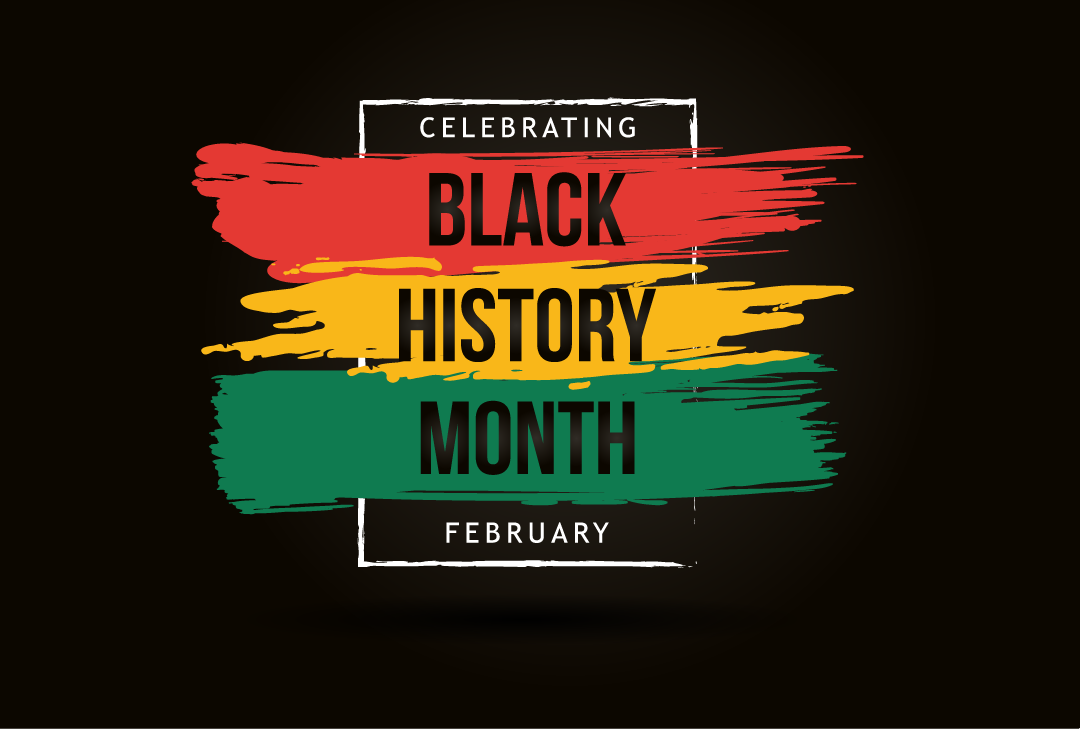
Black History Month is a time to honor the profound contributions and enduring legacy of Black Americans who have helped shape the United States. Every February, the nation reflects on the rich cultural heritage, achievements, and resilience of African Americans whose triumphs and struggles are woven into the fabric of our shared history.
World Cancer Day: February 4
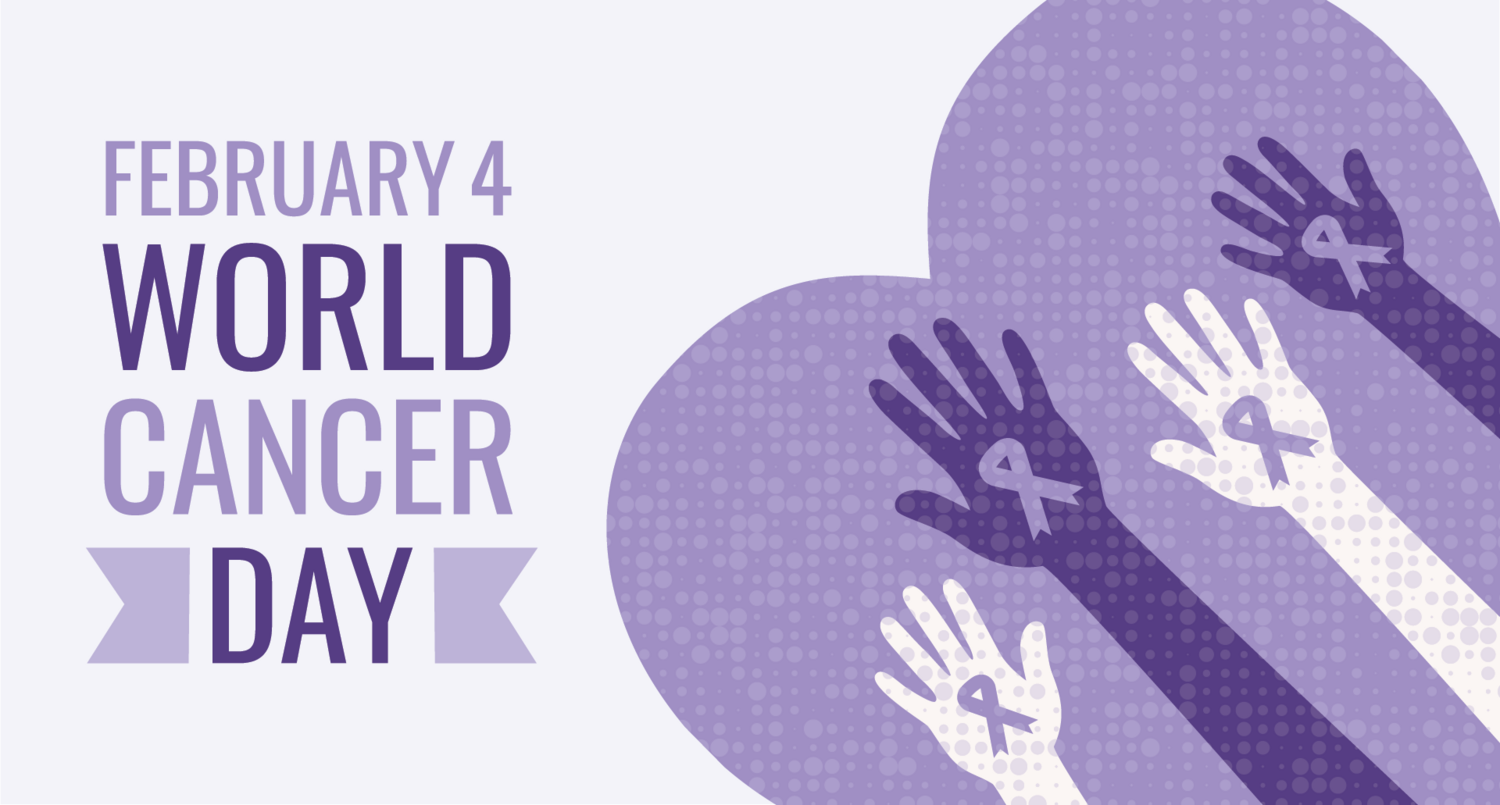
World Cancer Day is an international day marked on February 4 to raise awareness of cancer and to encourage its prevention, detection, and treatment. World Cancer Day is led by the Union for International Cancer Control to support the goals of the World Cancer Declaration, which was written in 2008.
Carnival: February 13-21
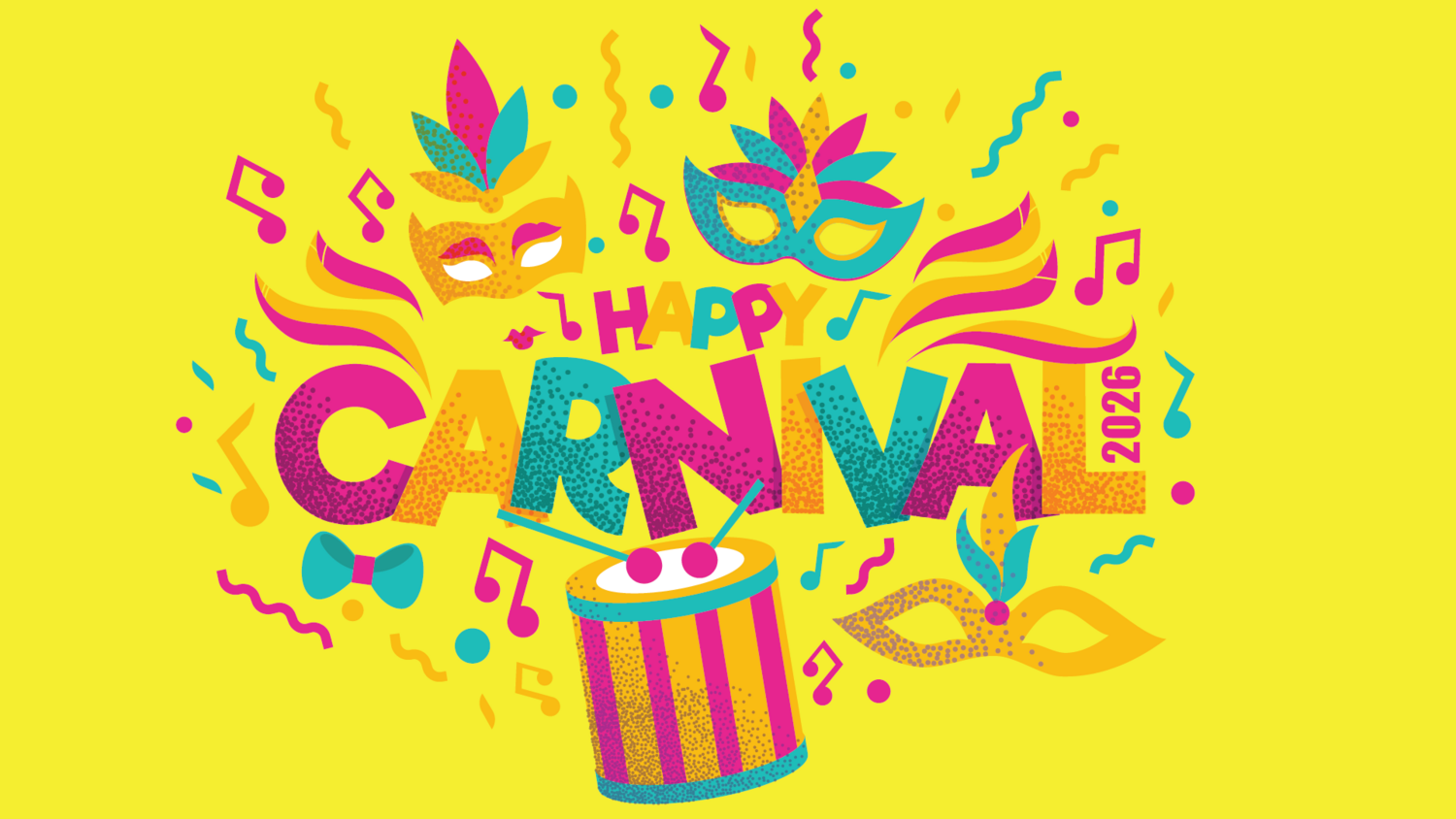
Carnival in Brazil is an explosion of color, music, and pure joy when the whole country transforms into one giant dance floor! From Rio’s world‑famous samba parades to the lively frevo and maracatu rhythms in Recife and Olinda, every region adds its own flair to this vibrant celebration. For nearly a week before Lent, millions take to the streets in dazzling costumes, following energetic blocos, trios elétricos, and samba schools in a nonstop swirl of dancing, singing, and celebration. It’s Brazil at its brightest, most festive, creative, and absolutely unforgettable.
Lunar New Year/Spring Festival: February 15-23
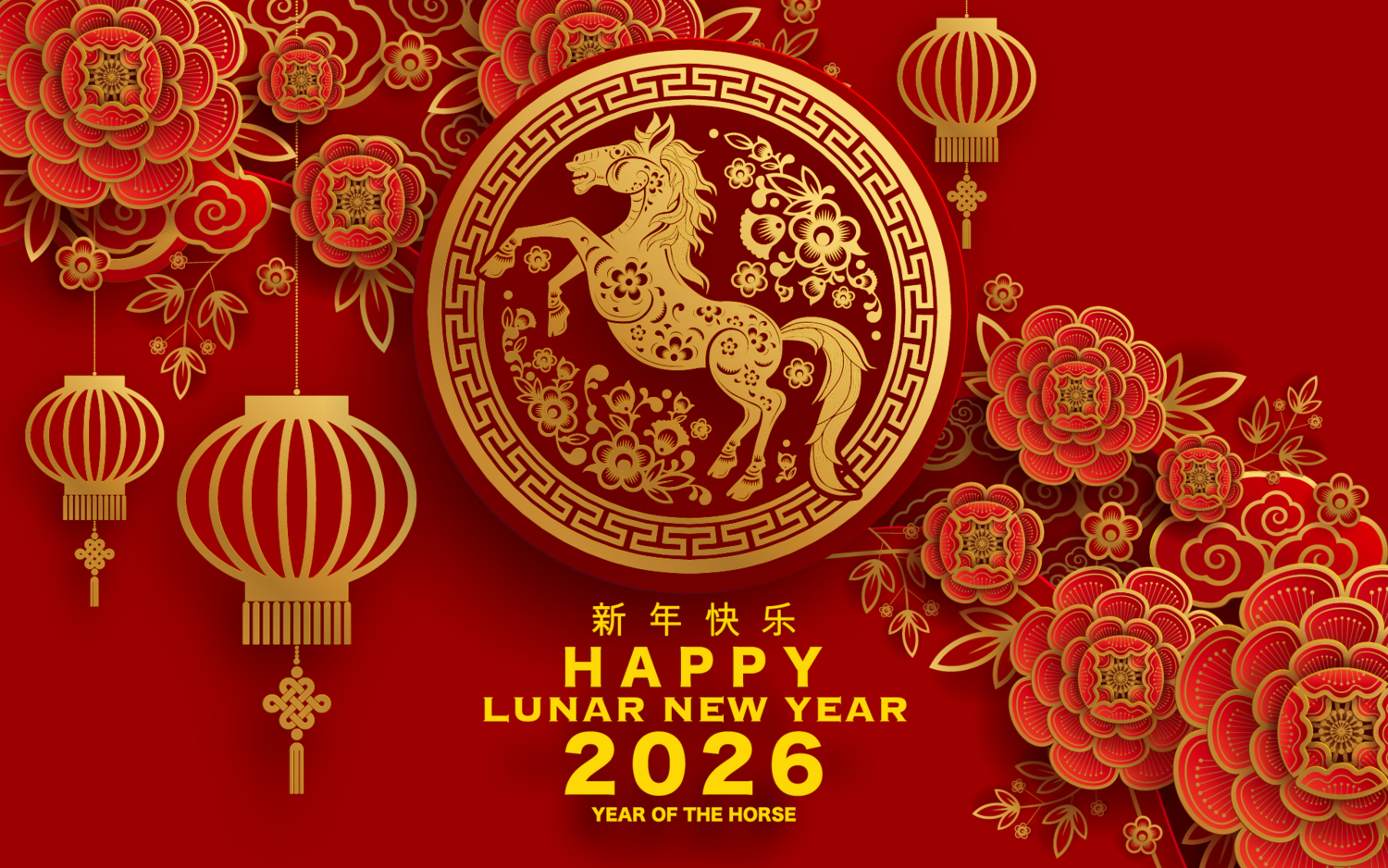
The Lunar New Year, a widely cherished event, takes place in either January or February. Many countries and communities with Chinese heritage actively participate in this joyous occasion. It encompasses various activities such as dragon and lion dances, firecrackers, family reunions, and the time-honored tradition of exchanging red envelopes filled with money to invoke good luck.
President's Day: February 16
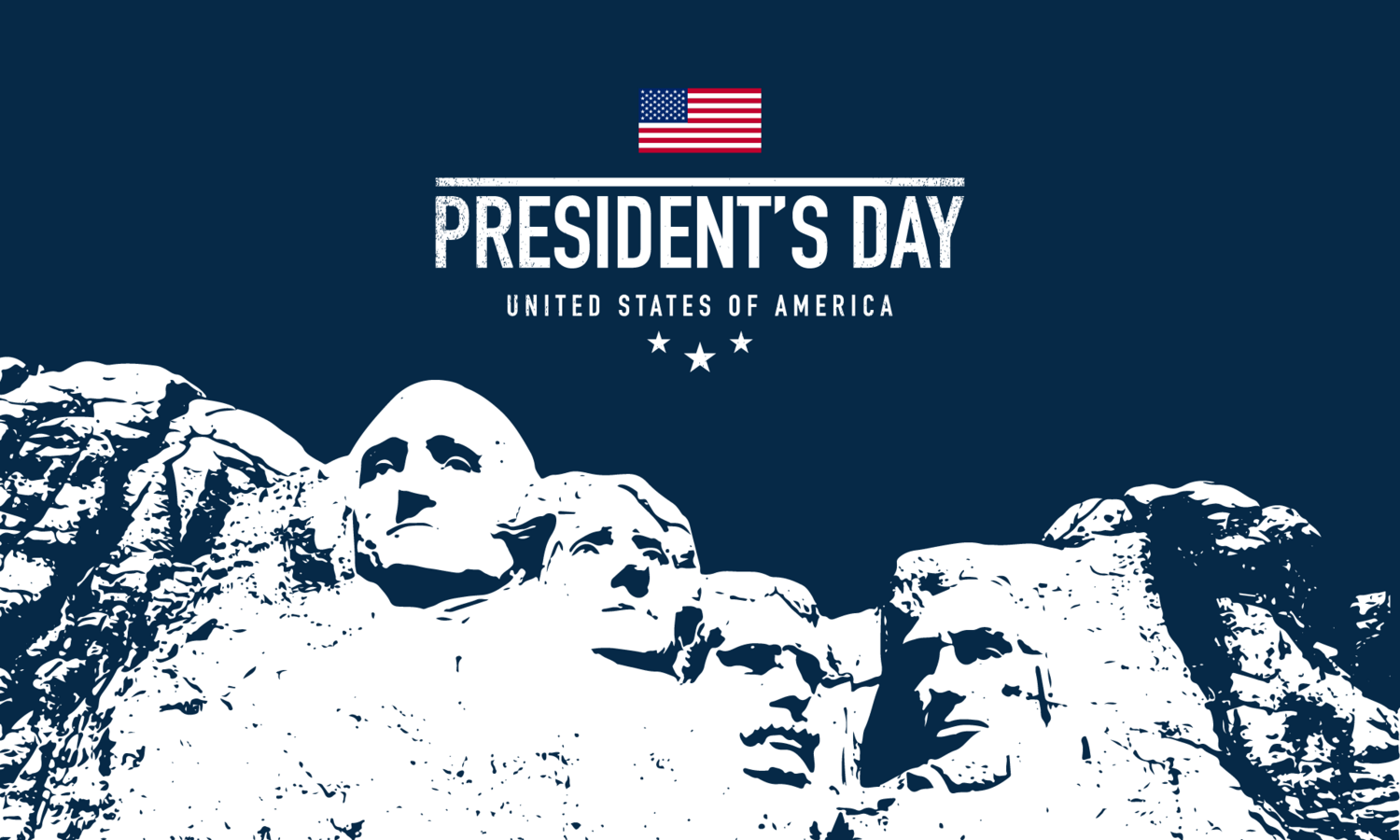
Presidents’ Day is a moment to reflect on the leadership and legacy of the nation’s presidents, from George Washington—whose February birthday inspired the original holiday—to the many leaders who have guided the United States through change and challenge. Celebrated on the third Monday in February, the day has evolved into a broader recognition of all U.S. presidents and their contributions to the country’s history and civic life.
Family Day: February 16
Family Day in Canada is a cheerful mid‑winter break that invites people to slow down, bundle up, and enjoy quality time with the ones they love. Celebrated on the third Monday of February in several provinces, it’s a chance for families to head out for skating, festivals, museum visits, or simply cozy up indoors with games and hot chocolate—making the most of a day dedicated entirely to togetherness.
Seollal/ Korean New Year: February 17

Seollal, or Korean Lunar New Year is a holiday and celebration which marks the first day of the Korean Lunar Calendar. The celebration is typically three days long, beginning the day before and ending the day after. Traditionally, families gather from all over Korea at the house of their oldest male relative to pay their respects to both ancestors and elders. The centerpiece of the holiday is the ritual of ancestor worship, but there are other activities including eating together, playing games and “Sebae," where children and students bow to their elders and receive small gifts of money.
Start of Ramadan: February 17
Ramadan is the ninth month of the Muslim calendar and the holy month of fasting in Islam. During the month of Ramadan, Muslims fast from dawn until dusk, and they are permitted to eat and drink only before sunrise and after sunset. Observing the daily fast for Ramadan comprises one of the Five Pillars of Islam. In addition to fasting, the month is a period of introspection, communal prayer (ṣalāt) in the mosque, and reading of the Qurʾān. The month of difficult fasting and focused religious observance concludes with the jubilant feasting holiday of Eid al-Fitr, “Feast of Fast-Breaking", held on March 19.
- Culture
