
Bio-Rad Cultural Calendar, December 2025
December 1, 2025
At Bio-Rad, we publish a monthly Cultural Calendar of events that are commonly celebrated in the United States and in other countries in which we operate. Our goal is to feature a variety of events that help bring cultural awareness to various groups' histories, traditions, and accomplishments while also highlighting events important to us both as a company and a community. We also publish a calendar internally with an even broader variety of events commonly celebrated in countries that Bio-Rad operates within.
World AIDS Day: December 1
First recognized in 1988, World AIDS Day, observed on December 1, raises awareness about HIV/AIDS and honors those who have lost their lives to the disease. With millions affected worldwide, the day highlights ongoing public health challenges, promotes education and prevention, and encourages global solidarity in the fight against the epidemic. In addition, Bio-Rad is proud to support the work of clinical labs who perform critical HIV testing.
International Day of Persons with Disabilities: December 3
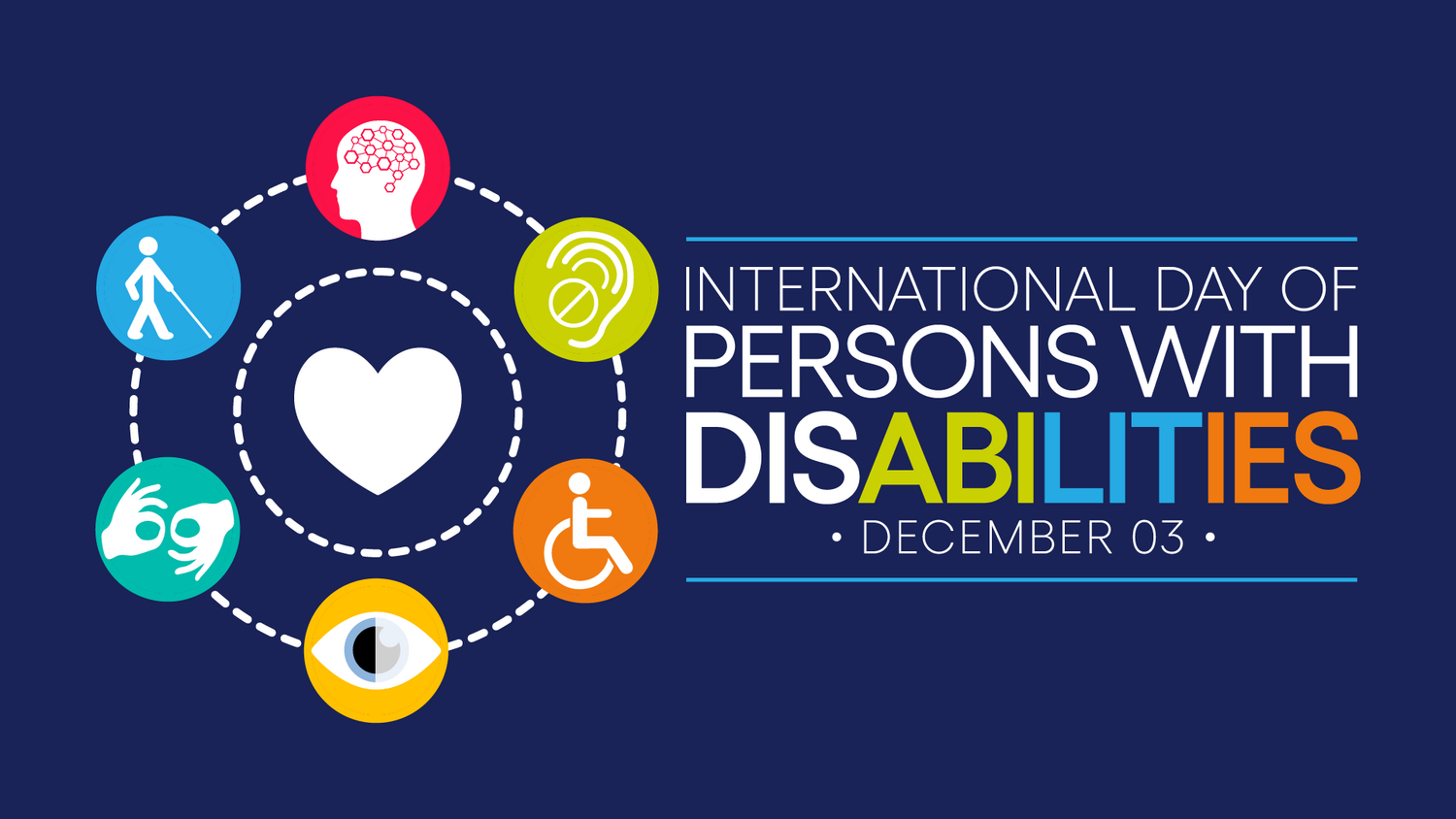
International Day of Persons with Disabilities on December 3 lets us focus on challenges faced by people living with disabilities. The day doesn’t discriminate between mental and physical disabilities, and the spirit of the day is to ensure that all people in the world have equal opportunities for work, play, health, and success. People with disabilities can be and very often are contributing and valued members of society, and today is all about appreciating them. Learn more here.
International Volunteer Day: December 5
Observed annually on December 5, International Volunteer Day celebrates the contributions of volunteers in improving communities, economies, and the environment. The day encourages reflection on local issues and inspires people to become ongoing agents of positive change, promoting sustainable development, equity, and a spirit of cooperation worldwide.
Human Rights Day: December 10
Human Rights Day on December 10 commemorates the 1948 adoption of the Universal Declaration of Human Rights by the United Nations. The declaration, available in over 500 languages, affirms fundamental rights to life, liberty, and equality. The day promotes awareness, reflection, and action to uphold human rights worldwide, inspiring societies to protect the dignity and freedoms of all individuals.
Hanukkah: December 14-22

Hanukkah, the eight-day Jewish Festival of Lights, commemorates the Maccabean victory over Greek-Syrian oppressors and the rededication of the Second Temple in Jerusalem during the 2nd century B.C. Beginning on 25 Kislev in the Hebrew calendar, the holiday is celebrated with lighting the menorah, special prayers, games, and traditional foods, honoring resilience, faith, and cultural heritage. Learn more here.
Winter Solstice: December 21, 2025 - March 19, 2026
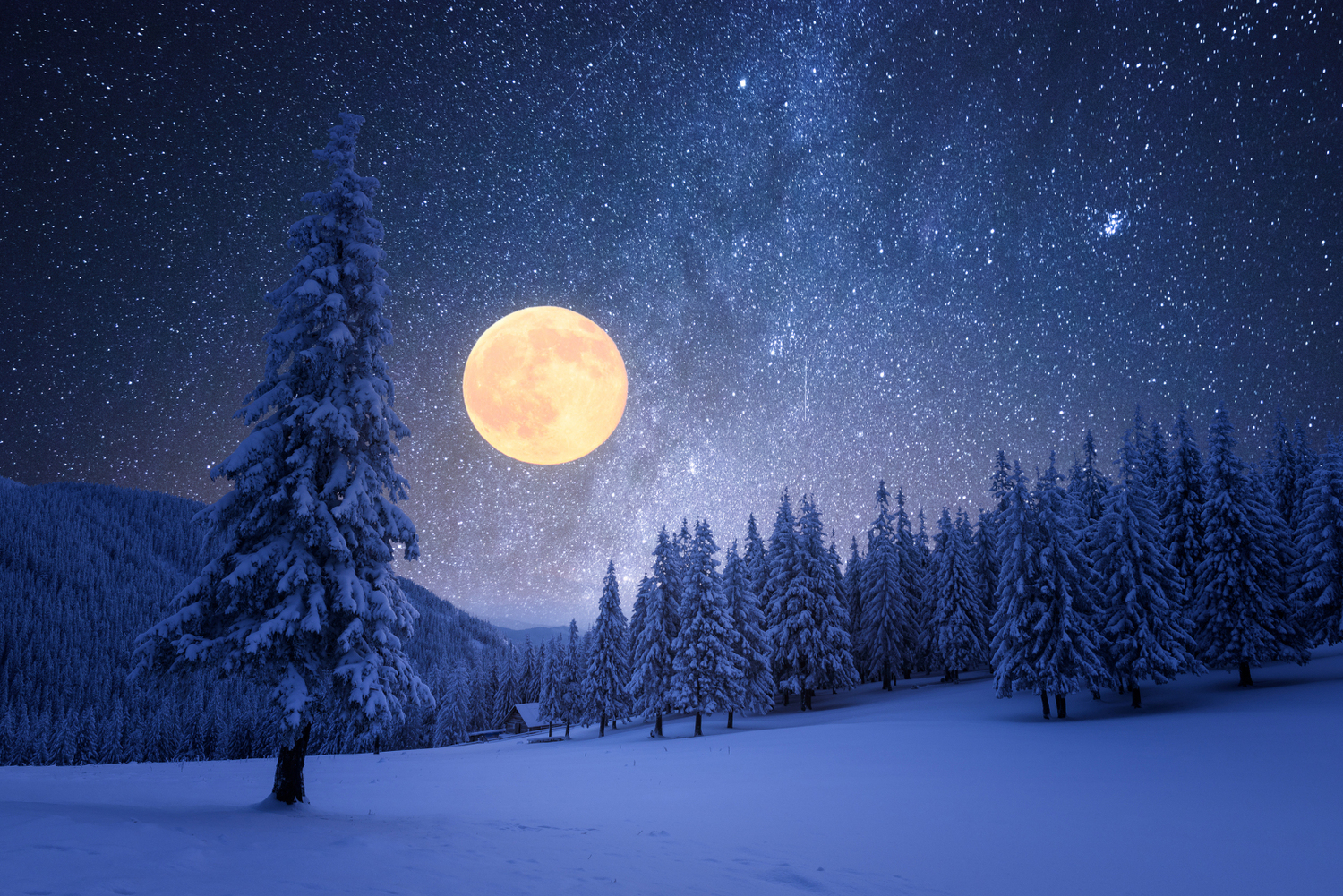
The 2025 winter solstice in the Northern Hemisphere will occur on Sunday, December 21, 2025, at 10:03 A.M. EST (9:03 A.M. CST). This date marks the shortest day and longest night of the year in the Northern Hemisphere, as Earth's North Pole reaches its maximum tilt away from the sun. For the Southern Hemisphere, this date marks the start of summer.
The winter solstice itself is an instant, but it marks the beginning of astronomical winter, which lasts for about 88 days and ends on March 19 or 20, 2026. On the day of the solstice, December 21, 2025, a location will experience the shortest period of daylight of the year.
Christmas: December 25

Christmas is celebrated on December 25 and is both a sacred religious holiday and a worldwide cultural and commercial phenomenon. For two millennia, people around the world have been observing it with traditions and practices that are both religious and secular in nature. Christians celebrate Christmas Day as the anniversary of the birth of Jesus of Nazareth, a spiritual leader whose teachings form the basis of their religion. Popular customs include exchanging gifts, decorating Christmas trees, attending church, sharing meals with family and friends and, of course, waiting for Santa Claus to arrive. December 25—Christmas Day—has been a federal holiday in the United States since 1870. Learn more here.
Boxing Day: December 26

Boxing Day, also known as Offering Day is a holiday celebrated after Christmas Day, occurring on the second day of Christmastide. Boxing Day was once a day to donate gifts to those in need, but it has evolved to become a part of Christmas festivities.
Kwanzaa: December 26-January 1

Kwanzaa is an annual celebration of African-American culture from December 26 to January 1, culminating in a communal feast called Karamu, usually on the sixth day. It was created by activist Maulana Karenga based on African harvest festival traditions from various parts of West, East, as well as Southeast Africa.
- Culture
- Life at Bio-Rad
